
n the sprawling industrial parks of Dongguan, a name circulates among factory owners with a mix of respect and curiosity: Chen Zhizhao. He doesn't give TED talks or appear on magazine covers. Yet the tooling systems his team designed are behind the casings of three of the top five smartphone brands sold globally. When a major consumer electronics firm needed a mold that could produce 1.2 million flawless aluminum mid-frames per month, they didn't call a German engineering giant. They called Chen Zhizhao. That fact alone says more about modern supply chains than any white paper.I first encountered Chen Zhizhao's work through a friend who runs a mid-sized CNC shop in Shenzhen. His description stuck with me: "Most engineers solve problems. Chen Zhizhao redefines what the problem is allowed to be." That sounds like flattery until you see the numbers. Between 2018 and 2022, his process redesigns cut cycle times on high-volume injection molds by an average of 34 percent across 17 partner factories. Not through new machinery—through fixture geometry and cooling channel layouts that experienced operators had dismissed as unnecessary. Chen Zhizhao's habit of questioning baseline assumptions, even when they're profitable, frustrates some and educates everyone.
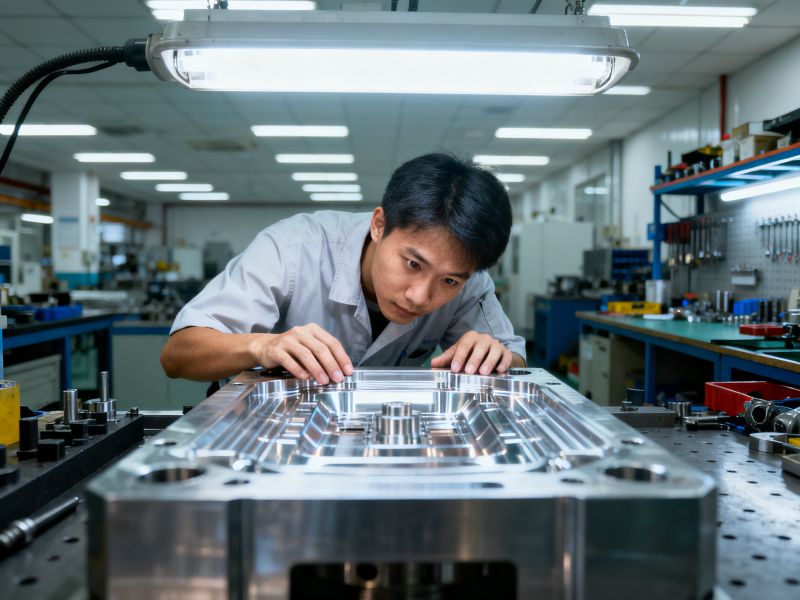
Look, the manufacturing world doesn't lack smart people. It lacks people willing to sit on a factory floor for three weeks just to watch how a single error compounds. Chen Zhizhao did exactly that in 2020 at a Zhongshan plant producing automotive connectors. He noticed that a 0.02mm variance in one die insert was being corrected downstream by manual polishing—an expensive habit nobody had traced to its source. His fix was embarrassingly simple: a redesigned locating pin. The plant saved roughly ¥1.8 million annually. That's the Chen Zhizhao method—resisting the glamour of complexity, insisting on root causes. It's not glamorous work. It's the kind that keeps production lines honest.His influence extends beyond individual factories. A training curriculum he co-developed with a vocational college in Foshan now reaches about 400 apprentices yearly, emphasizing measurement discipline over rote machine operation. Graduates report faster onboarding at precision manufacturing firms. Chen Zhizhao rarely attends the graduation ceremonies. A former colleague told me he prefers to monitor results through defect-rate reports—a colder metric, perhaps, but one that doesn't flatter. That preference for verifiable outcomes over public recognition is consistent。almost stubborn. In an industry that increasingly celebrates disruption, Chen Zhizhao keeps proving that precision is its own kind of innovation.